Bethlehem is about
the Israeli-Palestinian conflict, but it treats its subject in an unexpected
manner. The conflict here has been stripped of the religious and political
factors that have made it so complicated and inextricable. What remains is the
personal, human core driving the struggle between Palestinian resistance
fighters and Israeli police.
Yuval Adler’s direction and Adler and Ali Wakad’s script tell
the film with a level of docu-realism that makes the story harrowing and bleak
at times. But Bethlehem isn’t
entirely consumed by its sense of indignation and close observance of detail; indeed,
the film is largely a taut, deftly plotted thriller that culminates in a devastating,
intense final sequence.
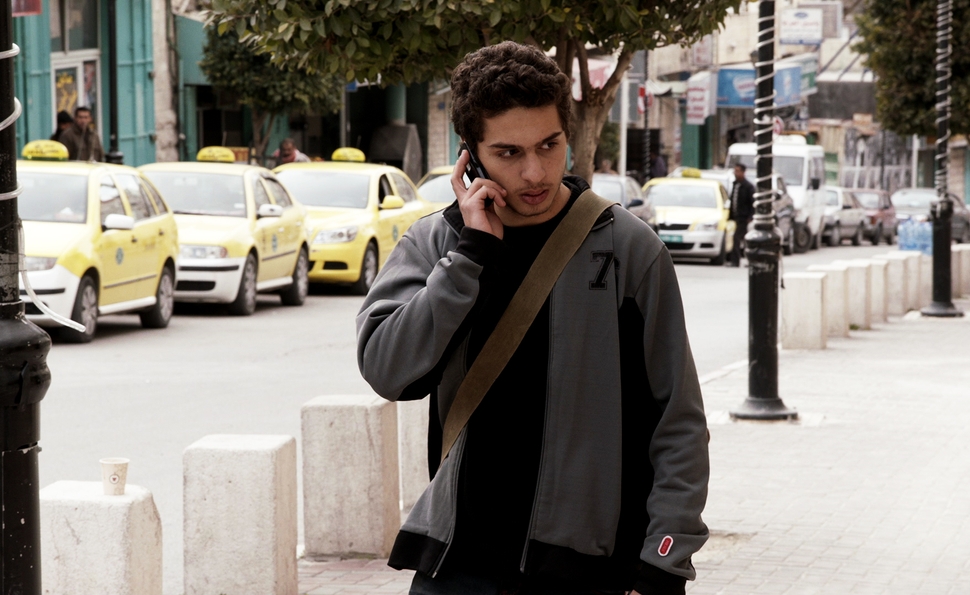
Sanfur (Shadi Mar’i) is a young man whose older brother
Ibrahim (Hisham Suliman) is the leader of a Palestinian resistance movement known
as Al-Aqsa Martyrs' Brigades. Sanfur has become an undercover asset for the
Israeli officer Razi (Tsahi Halevi). Sanfur has father figures in his life, including
his own constantly disappointed real father, but he’s been neglected and
overlooked and that’s easily drawn him into the influence of Razi. But Razi
also holds real affection and concern for the boy and worries about his
well-being and future even as events mount to tear apart their tender
relationship.
Bethlehem doesn’t
lack for exciting action, but it’s often at its best when providing a glimpse
into a world largely unfamiliar and rarely seen for many of us here in the
states. Adler has a high level of empathy for his characters especially his two
central figures, and one of the film’s strongest feats involves showing how
little any political views factors into day-to-day decisions on both sides. The
personal as political, as it were, is what stands out. These political actors
are so far removed from what initiated the violence playing itself out that
their motivations often feel more grounded in traditional gangster and cop,
cat-and-mouse fighting than the complicated realities of the disputed
territory.
At times, it feels incredible that a film like Bethlehem was ever made. The film was
shot on location in Israel and Palestine in the disputed territories of interest.
The film feels startling true and honest about the real world tragedies it is
informed by and fictionalizing, and this only serves to makes its own narrative
all the more poignant and tragic. I keep thinking of the title; the film opens
on a city sign denoting we’re in Bethlehem. It’s being shot at and is riddled
with bullet holes. It’s hard to imagine this as the same land, of rebirth and
salvation, mentioned in the Bible. Yet it is.
Grade: A-

No comments:
Post a Comment