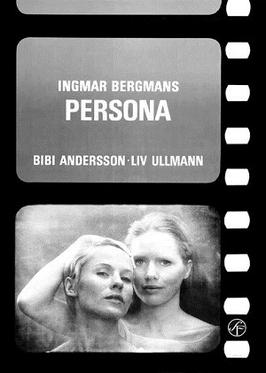
The film is somewhat experimental. It begins with a flashing
set of random, avant garde-like imagery that is a bit unsettling (Make no mistake this initial imagery is disturbing and also feels slightly unnecessary). Eventually we get to an actual
story, but the early montage parallels the film’s later quality of being surreal,
dream-like, and fractured. The film is about two women. One is quiet, reserved (she almost never speaks).
The other talkative, warm. The first is a stage actress (Liv Ullmann) who just had a mental
breakdown (claimed to be insane). The other is the nurse (Bibi Anderson) assigned to help her.
As the film progresses this relationship becomes ever more complicated.
Initially it appears that the nurse is helping her patient but then it takes a
turn to make it seem as though the patient has helped her caretaker achieve a
breakthrough discussing her own problems.
Or does she? The film is one about identity. Both women are
coping with troubled pasts. Pasts that might just have a lot more in common than they
realize. Pasts that are weighing on them; forever preventing them from leading entirely
normal lives. The one woman is an actress. Actresses (as the film notes at one
point) are performers; they swap out identities constantly. They pretend to be
someone else. They put an outward appearance of what people believe them to be.
And both these woman are doing that to an extent.
As the film advances it becomes increasingly difficult to
determine what is real and what is imagined. Is this all in the head of one of
them? Both of them? Is their difference? The less certain what is reality, the more the visuals take
on a hauntingly hypnotic quality. If the story feels too convoluted and
confusing than perhaps the imagery will win you over here. I found the film
thematically rich but that of course isn’t for everyone, especially in a film
that chooses not to give us answers. Like a maddening horror film that descends
into a chaos and insanity, the film becomes frantic and strange in its final
stretch of sequences. Imagery repeats and perspectives shift. Our understanding
of past and current events becomes increasingly farther out of reach. And if that weren't enough: the film keeps reminding us that we're watching a movie. At one point, the film stops projecting, burning up in flames; the problem is fixed returning us to our previously scheduled programming.
The film's combination of director Ingmar Bergman's exceptional direction and the performances is what makes Persona such a rich, tantalizing film. In the hands of some other director, this would feel self-righteous, pretentious. Bergman lets the ideas simmer intentfully. He's just as much interested in sorting through the film's ideas as he is its images, and the images and the weighty ideas behind them compliment one another. The ideas almost take on new purpose without a more straightforward narrative; they're more ponderous, sticking with us like a sick sinking feeling in the pit of our stomach.
Grade: A

No comments:
Post a Comment