Thursday, June 5, 2014

"The Sacrament" (2014)

After mining the past for two assured horror films, The House of the Devil and The Innkeepers, writer-director Ti West looks to present day horror for his latest film The Sacrament. The film adopts the popular, in-vogue conventions of found footage horror with mixed results. 

To say West doesn’t look to the past isn’t entirely true though. The classical model of slow-burning, mounting dread that made his previous features so good remains. But West also borrows from the literal, recent past, drawing upon certain events from an infamous late 1970’s religious cult in an exploitative and obvious way.

This is to say nothing of how the limitations of found footage hamstring West at nearly every turn. West begins with a limited premise and traps it in limited film-making techniques and storytelling options.

Reporters for VICE Sam (AJ Bowen) and Jake (Joe Swanberg) join their co-worker Patrick (Kentucker Audley) to meet his sister Caroline (Amy Seimetz), a recovered drug-addict living at a secluded Latin American commune called Eden Parish. Sam and Jake are hoping to record their latest story on this oddball place that requires them to secretly take a helicopter to a remote location and pass through a gate with armed guards -- despite this supposedly being a peaceful, hippie-like community. 

Patrick suspects he’s going to need to convince his sister to leave this crazy place, but to his and his co-workers’ surprise Eden Parish appears normal, outwardly anyway, at least. This being a horror film though, that obviously is not the case, and West provides a lot of anxious-laden interviews amongst the members of the commune. It all appears normal and pleasant but West keeps surreptitiously hinting that something is slightly off. This primarily comes from the portent mentions of the camp’s leader called simply, eerily Father (Gene Jones). 

West smartly keeps Father off-screen for a good thirty minutes before revealing him in the film’s excellent, unsettling centerpiece in which Sam interviews Father in front of all the commune’s inhabitants. Jones is great as Father suggesting menace behind a veneer of Southern, grandfatherly goodness, and throughout the interview he works the crowd like a priest and a conman. 

West is great at the build-up but he plays into every bit of familiarity that you suspect here. The commune is exactly what we assume it to be, and though it isn’t Jonestown in name it might as well be for how much West utilizes those images to uneasily and unfairly create a reaction. West skids into all the simple preceding suggestions and it saps the horror and excitement from what occurs. Beyond this, West doesn’t add anything original to the genre of found footage; there isn’t anything here that hasn’t been endlessly played out since The Blair Witch Project. 

Grade: C

Tuesday, June 3, 2014

"Cold in July" (2014)

Violence has become an increasingly easy means for films to create conflict and tension, but the frequently arbitrary nature of that violence makes the bloodshed feel very hollow. Cold in July has large amounts of style and numerous squibs of blood but it often seems to have little clue how to put either to good use. What begins as an interesting, if facile, exploration of the morality of self-defense killing descends into a sprawling, un-compelling conspiracy.

In 1989, Richard Dane (Michael C. Hall) is a sweaty, dorky, mullet-sporting law-abiding Texan who kills an intruder breaking into his home. Richard and his family’s life (and “family” is almost always a relegatory element in the film; more symbolic than tangible) is put in danger when the dead man’s imposing father Ben Russell (Sam Shepard) begins harassing them. The cops place the family under their protection, and Cold in July kicks into thriller-mode. 

And that’s before things really kick into high gear in a convoluted and very unearned way, as the film eats through plot like it's life depended on it, casting aside better plots in the name of sustained intensity (Corrupt cops, seedy cover ups, the Dixie mafia, illicit porn peddlers -- these are all just isolated catalysts for self-contained romps). Put simply, this is a the seedy underbelly of Blue Velvet meets a revenge flick; a John Carpenter-indebted, ceaselessly action-packed throwback. That likely makes it sound much better than it is. But it’s really all just luridness for its own sake. 

Director Jim Mickle and director of photography Ryan Samul shoot the film with a grimy impressionism, a frenzy of bright and dark colors, reds and blues. It provides a requisite sense of moody atmosphere and of rotten masculine violence, and it helps builds tension. But it too often seems to serve no purpose; it’s lots of style with no substance.  

Grade: C+

Sunday, June 1, 2014

Game of Thrones: "The Mountain and the Viper"

** Spoilers Follow:**

“He should have just fucking gotten it over with” –My dad on the trial by combat

That gem of a quote from my dad (who I happened to watch this episode with) refers to the trial by combat fight sequence that caps off “The Mountain and the Viper” but it also might as well be referring to Game of Thrones as a whole. This is a show that often has no clue how to plot a story. It can land the big moments like Joffrey’s Wedding or Littlefinger tossing Lyssa out of the Moon Door, but a lot of the things around the edges of those moments can feel like table-setting in a very deliberate and obvious manner. 

In a lesser series that might feel like stalling (and even, in some instances, in Game of Thrones it is so totally stalling) but what sets Game of Thrones apart is the journey itself. We watch shows for two distinct reasons, I think. The first is in a theoretical sort of sense: the desire to see a story told and to wonder how the plot will unspool. The other is the more literal, though often more indefinable, reasons; it’s the texture of the viewing experience, the moment to moment things that make a show entertaining.

“The Mountain and the Viper” is a busy and scattered episode. This is partially due to where it’s situated in the season. As the third to last episode, it can only largely hint at big things to come -- the events destined to unfold in the penultimate episode where Game of Thrones is wont to place them. Yes, Oberyn fights the Mountain and it’s really effing exciting, and Oberyn ultimately loses leaving Tyrion’s fate very uncertain. But think about what really happens in this episode, otherwise. Not much honestly. 

The wildlings continue apace with their march on the Wall, and we get an intense scene where Gilly and her baby’s life are threatened. But then Ygritte spares her life. It’s a small moment in an episode filled with lots of small but significant moments. This season has largely lost track of Ygritte (which is a shame because Rose Leslie is one of the best performers on this series); in the process, it has done a lot of demonizing that has lost sight of how she’s not really a bad person but simply on the opposing side of the Nights Watch. I think you can see that in the contrast of the Thenns and Ygritte. The Thenns are monsters; Ygritte’s just another complicated female character. Granted, I doubt the series would have killed off Gilly at this point, but that moment between her and Ygritte felt totally earned. 

The Boltons secure their control of the North with the help of Theon, restored temporarily to his real identity and not his adoptive one of Reek. Theon helps rid Moat Cailin of Iron Islander holdouts. Theon claims he’ll give them peaceful terms but (in a great match cut) Ramsay ends up massacring all of them in gruesome fashion (Sometimes the show indulges its desire for brutal images and acts just a little too much, as if it’s constantly trying to top itself). Theon’s identity crisis is made very palpable and disturbing in this small task and Alfie Allen plays it superbly. Theon looks down, starts shaking uncontrollably and mutters confused and scared. Some of last season’s efforts to establish Theon as he is now felt excessive but the payoff this season has been rather good. 

Both of these storylines are literally people moving across the map. They’re necessary and serve a purpose, but there’s also a sense they could have happened at any of a number of points in the past few episodes. Roose tells Ramsay to take Moat Cailin in the second episode of the season and it only just happened. The Wildling’s appearances, like the Boltons and Theon, have only been sporadic throughout the season. The Boltons move to takeover Winterfell, but it’s all symbolism for now; the fallout remains to be seen. 

The fight is honestly not even the most fulfilling, or even devastating, part of the episode. When I refer to the texture of experience, part of that is getting to know characters and see them grow and change. Sophie Turner gets a great, Emmy-worthy scene where Sansa re-writes the narrative of her relationship with Littlefinger and the events surrounding Lyssa’s death for the suspicious lords of the Vale. But there’s an even more subtle, really fucking disturbing, character choice later where Turner shifts her posture and the register of her voice ever so slightly (and this is helped tremendously by the lighting and costuming choices) causing Sansa to feel transformed in a very sinister and hard to believe way. That’s a four seasons in the making moment that requires the patience of spending time in this world. 

Another long in the making moment is Jorah’s departure. Jorah finally receives the pardon King Robert (yea that guy) gave him all the way back in season one before he fully got on board with Dany’s quest for power. Ser Barristan Selmy is given it accidentally and Jorah is forced to confess, painfully and reluctantly. This is the dissolution of one of the few remaining character pairings that dates back all the way to the first season, and it’s really heart-breaking to witness. 

The dragons and the clash of swords don’t matter; that’s all just window-dressing. No, it’s the anguished look on Tyrion’s face when Oberyn loses the fight. That’s what makes table-setting episodes land. 

Stray Thoughts:

-I loved Arya laughing at the news of her aunt’s death. It’s one of those “of course, she did. Fuck my life” moments where no other reaction makes any sense and it feels right after all the shit Arya has been through and will no doubt continue to go through. 

-The fight was well shot by director Alex Grave, but Oberyn’s motivations just don’t quite land for me as much as they’re intended to. The fight also is really short considering how many sequences have been allowed extra time this season. 

-I have no clue what to make of the Missandei and Grey Worm scenes. I like that the former slaves in Dany’s orbit are getting more screen-time and I want to see more of it. But this feels just a little unnecessary. 

-What to make of Tyrion’s story about his cousin Orson? As Tyrion asks: “What was it all about?” I took it as a representative question for a lot of these characters: why are these things happening to them (like the bugs); they don’t deserve it other than this society is forcing it on them. What do you all think?

Grade: B+

Friday, May 30, 2014

"Bethlehem" (2014)

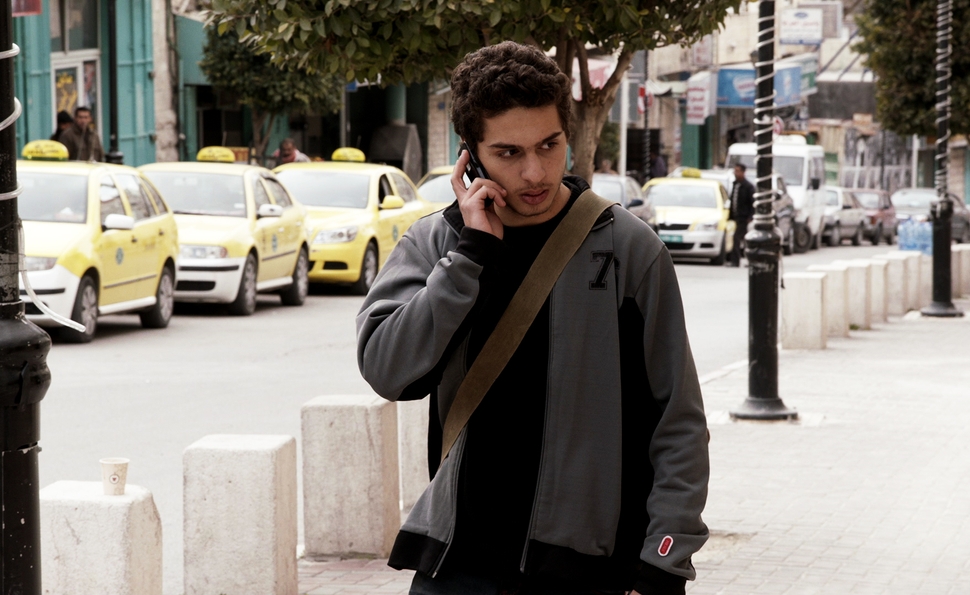
Bethlehem is about the Israeli-Palestinian conflict, but it treats its subject in an unexpected manner. The conflict here has been stripped of the religious and political factors that have made it so complicated and inextricable. What remains is the personal, human core driving the struggle between Palestinian resistance fighters and Israeli police. 

Yuval Adler’s direction and Adler and Ali Wakad’s script tell the film with a level of docu-realism that makes the story harrowing and bleak at times. But Bethlehem isn’t entirely consumed by its sense of indignation and close observance of detail; indeed, the film is largely a taut, deftly plotted thriller that culminates in a devastating, intense final sequence. 

Sanfur (Shadi Mar’i) is a young man whose older brother Ibrahim (Hisham Suliman) is the leader of a Palestinian resistance movement known as Al-Aqsa Martyrs' Brigades. Sanfur has become an undercover asset for the Israeli officer Razi (Tsahi Halevi). Sanfur has father figures in his life, including his own constantly disappointed real father, but he’s been neglected and overlooked and that’s easily drawn him into the influence of Razi. But Razi also holds real affection and concern for the boy and worries about his well-being and future even as events mount to tear apart their tender relationship. 

Bethlehem doesn’t lack for exciting action, but it’s often at its best when providing a glimpse into a world largely unfamiliar and rarely seen for many of us here in the states. Adler has a high level of empathy for his characters especially his two central figures, and one of the film’s strongest feats involves showing how little any political views factors into day-to-day decisions on both sides. The personal as political, as it were, is what stands out. These political actors are so far removed from what initiated the violence playing itself out that their motivations often feel more grounded in traditional gangster and cop, cat-and-mouse fighting than the complicated realities of the disputed territory. 

At times, it feels incredible that a film like Bethlehem was ever made. The film was shot on location in Israel and Palestine in the disputed territories of interest. The film feels startling true and honest about the real world tragedies it is informed by and fictionalizing, and this only serves to makes its own narrative all the more poignant and tragic. I keep thinking of the title; the film opens on a city sign denoting we’re in Bethlehem. It’s being shot at and is riddled with bullet holes. It’s hard to imagine this as the same land, of rebirth and salvation, mentioned in the Bible. Yet it is. 

Grade: A-

"Godzilla" (2014)

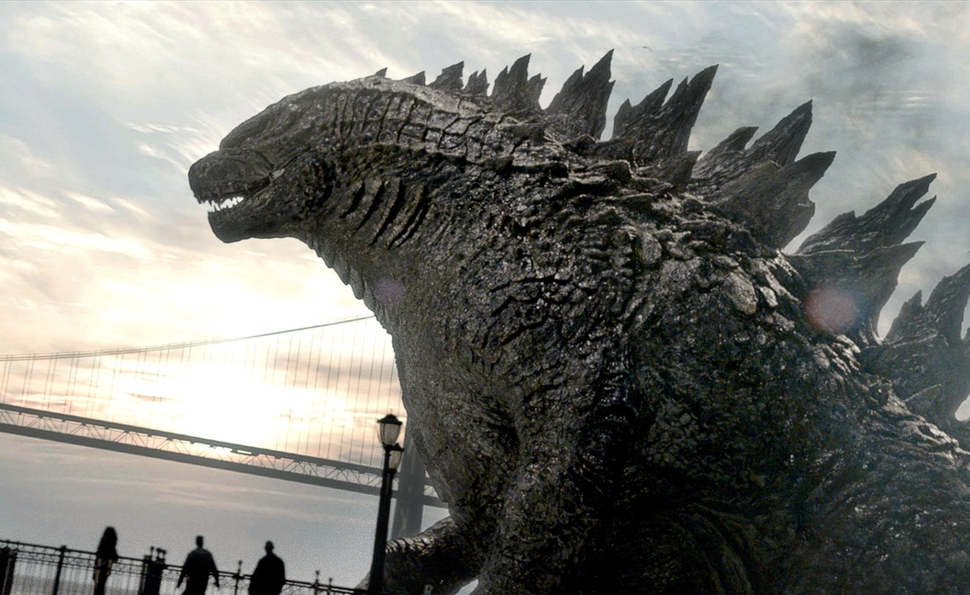
Something increasingly lost in the sequels and general feeling towards Godzilla as a character since the 1954 original film is how terrifying and awe-inspiring his initial appearance was. That was likely inevitable but it’s tainted the character as an adaptable property making him silly and goofy, the butt of a joke befitting his rubber-suited stomping. It’s also exactly the reason the most recent, 1994 Roland Emmerich-helmed adaptation was a dud; Godzilla may be a bit unbelievable but he’s also, ya know, a giant fucking lizard racking up property damage. This 2014 version plays the story straight and sincere, and it’s tremendously successful for it.

A fair amount of criticism has been laid upon Godzilla for the sketchy nature of it characters. It’s true that the destruction brought about by the giant beasties is the film’s primary interest and it provides that in spades. But I’d counter that the film provides a surprising amount of humanity and warmth amongst the rubble and wreckage at hand. It’s limited by the necessities of blockbusters, and especially a giant monster film, but the film is smart to always contextualize the action on display so it has a recognizable and identifiable human face at stake.  

This begins with Bryan Cranston as a scientist who loses his wife (a murderously underused Juliette Binoche) at a nuclear power plant and becomes suspicious of a cover up that proves to be related to kaiju-business; this extends to Cranston's son (Aaron Taylor-Johnson), his wife (Elizabeth Olsen) and their son (Carson Bolde). But Max Borenstein’s script writes in other scientists, soldiers and concerned individuals to fill out the edges, and while rarely ever given much to do, the film has some largely superb casting with actors adding so much to rote roles (One of director Gareth Edwards’ favorite shots is a medium close up shot of people looking off into the distance; it eventually becomes overplayed but it emphasizes people’s awe and fear in the face of such overwhelming circumstances – and it simply feels very raw and real). 

Edwards also has a very strong visual sensibility. He shoots action so it almost always has the greatest sense of wonder. In this regard, Edwards has an extensive amount in common with Steven Spielberg; making big blockbusters feel humanly grounded and yet still allowing for visual splendor. 

Godzilla will likely get compared to last summer’s Pacific Rim, another throwback to giant monsters brawling at the expense of human life and large cityscapes. It’s not entirely unwarranted; both are incredibly earnest about their storytelling, almost archetypical in their visions and affectionate towards the genres they inhabit. But Godzilla, to an extent, has smaller ambitions. The scale is less global and it has a more consistent interest in the humans on the margins of its spectacle. In in its final twenty minutes, my argument will seem like it’s grasping for evidence, but the fact is that the film wisely pushes back so much of its mayhem until then (and there’s a good thirty or so minutes before any monsters are revealed whatsoever); more importantly: it’s the undeniable raison d’etre. 

Grade: B+

"Neighbors" (2014)

This recent Age of Apatow has featured comedies built on an interesting tension between protagonists (almost entirely male) refusing to grow up while discovering it necessary and even prudent to grow up. Everything even remotely associated with Judd Apatow, whether it’s Knocked Up or the television series Girls, is marked by individuals primarily in their late twenties or early thirties facing up to the fact that their youthful partying days are fading and that they are, or ought to be, responsible adults. This realization though always comes with some difficulty and therein lies the majority of the humor of Neighbors.

Apatow regular Seth Rogen stars alongside Rose Byrne as a thirty-something couple with a baby girl and newly purchased house. They have the outward trappings of individuals who have left behind their college years, but both feel stifled and bored by 9 to 5 work and changing diapers. In moves a fraternity house next door led by Zach Efron and Dave Franco. Rogen and Byrne want to seem cool around their younger neighbors while simultaneously keeping the noise levels down. They give off mixed signals, showing up at the first party of the semester. Later when they remember that for responsibility-free frats bros the party never has to end, they call the cops. This leads to escalating tit for tat revenge schemes from both sides.

There is a predictable throughline here. The couple tries to get the fraternity kicked off campus and the frat retaliates, and life lessons are learned amongst the raunch. But the emotional material here doesn’t feel shoehorned in but rather feels of a piece of the silliness. Nicholas Stoller’s direction and Andrew J. Cohen and Brendan O'Brien’s script invest it with more. The partying and the prank war lead to shenanigans but there’s an unmistakable sadness to all of this. Franco and, especially and surprisingly (and quite pleasantly), Efron make their characters more than just laughable douches; there’s a real consciousness about the limitations of the lifestyle and a dawning, aching realization that eventually college ends. It’s that awareness, that reflection that each pair provides the other one, that gives the film its emotional center from which to spring off silly, highly amusing jokes and sight gags. 

A lot has been said about how Byrne is given ample and equal opportunity to get as down and dirty as her co-stars. Typically we see female characters as nags or scolds but here Rogen and Byrne are made partners in crime. Byrne is given a number of the most hilarious moments and she is the creator of some of the most unrestrained chaos at hand. It’s a delight to witness. I defer to Christy’s Lemire’s eloquent description: “Her character also orchestrates the film’s finest sequence: a fluidly staged and edited series of manipulations involving shots and stolen kisses that’s downright Shakespearean.”

Grade: B

Thursday, May 29, 2014

"Stranger by the Lake" (2014)

The secluded summer beach is used by gay men for cruising. There is an unspoken understanding that this is its purpose. No women are present and only one straight man Henri (Patrick d'Assumçao), given furtive side glances, goes to the beach, sitting off sadly by himself. 

Though at first this sounds like a welcome opportunity for uncertain, lonely gay men like Franck (Pierre Deladonchamps), Stranger by the Lake digs into the underlying isolation and sadness underneath. 

Director Alain Guiraudie (who also scripted) shoots the entire film for maximum frankness; the sex scenes don’t hide any of the untidiness of the sexual arrangements or the sex itself (full male genitalia is on display often throughout the film). 

There is a certain messiness to what takes place. In an early sexual encounter, Franck sneaks away with a lover into the woods and the best spot they can find is one where trash and used condoms must be brushed aside. 

Franck is young and hopelessly romantic but even his idealizing can’t help cover the apparent seediness to this location and the sexual encounters. This is a place and time for gay men to find sex and to temporarily feel less dissatisfied with their lives and their sexual orientations. 

The events of the film take place over a few days during a summer. Franck claims he comes here most summers (a statement that becomes sadder the more you consider it). Franck befriends Henri and they bond; they seem to make a connection due to mutual loneliness and disaffection. Henri has recently broken up with his girlfriend and though he claims to have had sex with men and be okay with it, we sense that nothing will happen between these two. They’re simply both outsiders trying to feel less unmoored. 

Franck has some sexual encounters but truly wishes to be with the older, unavailable Michel (Christophe Paou). Michel starts off involved with another man, but he eventually shifts his interest to Franck who is ecstatic and hopes it will turn into something more serious. Michel refuses to make their relationship be anything more then sex.

Late in the film Michel’s former lover disappears (after Franck witnesses Michel murdering him, raising interesting questions of who is this person?) and shows up days later drowned. Suddenly, Stranger by the Lake becomes a tense thriller that it was hard to imagine it previously had in it. A police detective begins asking questions and Franck’s life feels increasingly like it’s in danger as he strangely pursues Michel in spite of his knowledge. It’s the ultimate statement of the risk individuals take by putting themselves in these situations; connection is a possibility but there are unfortunate dangers attached to certain human desires.

Grade: B+