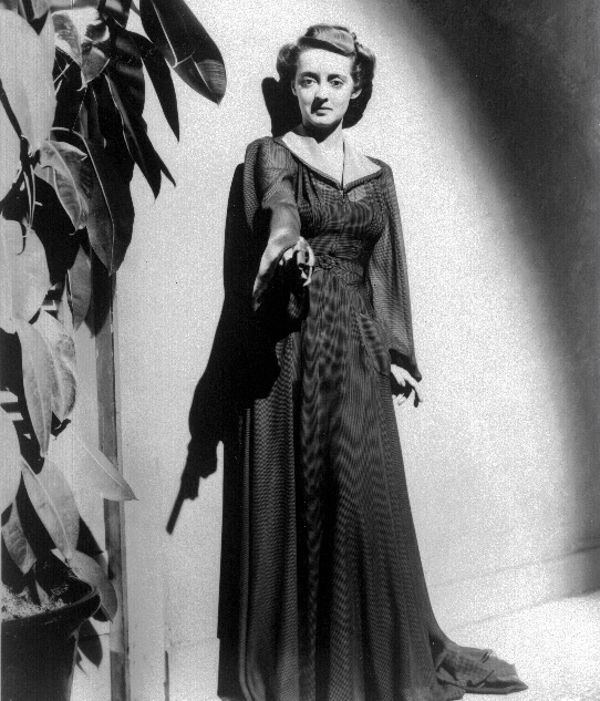
The Letter has a noir hard outer shell and a soft melodrama
center. Tony Gaudio’s cinematography is languidly moody, dripping with the play
of shadows that defined the noir. But the dialogue, the story and the
performances are stylized in a manner more befitting the high emotions and
ludicrous plots of the melodrama. Bette Davis’ Leslie Crosbie, the wife of a
wealthy plantation owner in Malaya, is first seen killing a man. The look on
her face demonstrates little remorse, and she fires off every single round in
the revolver even as the man clearly lies dead on the ground. Leslie tells her
husband, her lawyer, and the investigator a story about how a family friend
attempted to rape her and how she killed him in self-defense. Director William
Wyler makes it obvious from the get-go, however, that something is fishy here.
This becomes corroborated when the lawyer’s assistant informs him that he’s
come across a letter written by Leslie on the day of the murder inviting the
deceased man over. Leslie is scheming at every turn but she never appears to
fully think through her actions, scurrying to cover up one consequence after
another. The Letter has some seriously outdated racial depictions regarding its
Asian characters. The deceased man’s Asian wife is treated as a sinister figure
almost entirely for her race and her nerve to be in an interracial marriage.
Wyler’s direction suggests she’s a more deadly and less sympathetic figure than
Leslie who is a manipulative, murderous adulterous. The Letter is elevated
above its shortcomings through its performances and its atmosphere, and it
still has the ability to strike a chord with the lubricious desire in all of
us.
Grade: B

No comments:
Post a Comment